
It is thanks to additives that polyvinyl chloride (PVC) is such a versatile and resource-efficient thermoplastic. By combining PVC resin with different additives, manufacturers create tailor-made compounds suitable for everything from blood bags and cables to pipes, flooring, and roofing membranes.
The majority of PVC products have a long service life of 10–100 years. This durability comes from additives — all of which are strictly regulated under the EU’s REACH chemical safety framework.
Main Additive Groups
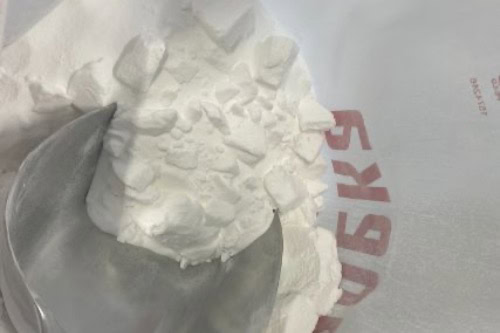
Stabilisers
Protect PVC during processing and extend its service life. Heat stabilisers prevent degradation when PVC is heated, while light stabilisers protect outdoor products against UV exposure.
Plasticisers
Make PVC flexible and soft. Flexible PVC is used for applications such as medical tubing, blood bags, cables, flooring, and wall coverings.
Lubricants
Improve the processing of PVC compounds by reducing friction during extrusion, calendering, or moulding. They ensure smooth surfaces and consistent product quality.
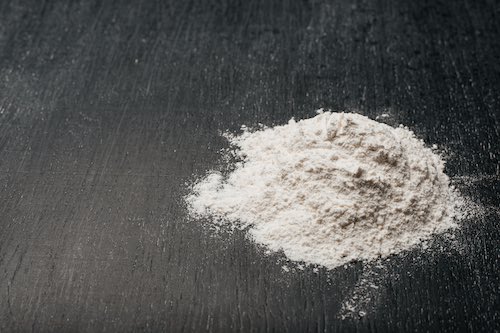
Fillers
Add strength, stiffness, or cost-efficiency. Common fillers include calcium carbonate and glass fibres.
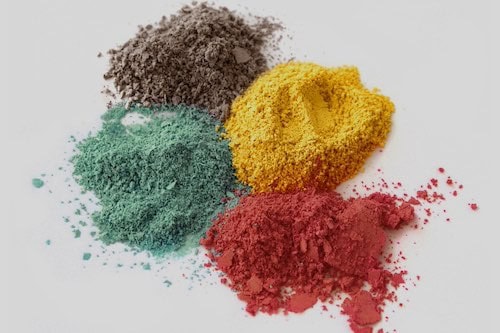
Pigments & colourants
Make PVC flexible and soft. Flexible PVC is used for applications such as medical tubing, blood bags, cables, flooring, and wall coverings.

Other additives
Depending on the application, additives can include flame retardants, impact modifiers, UV absorbers, foaming agents, biocides, and processing aids.