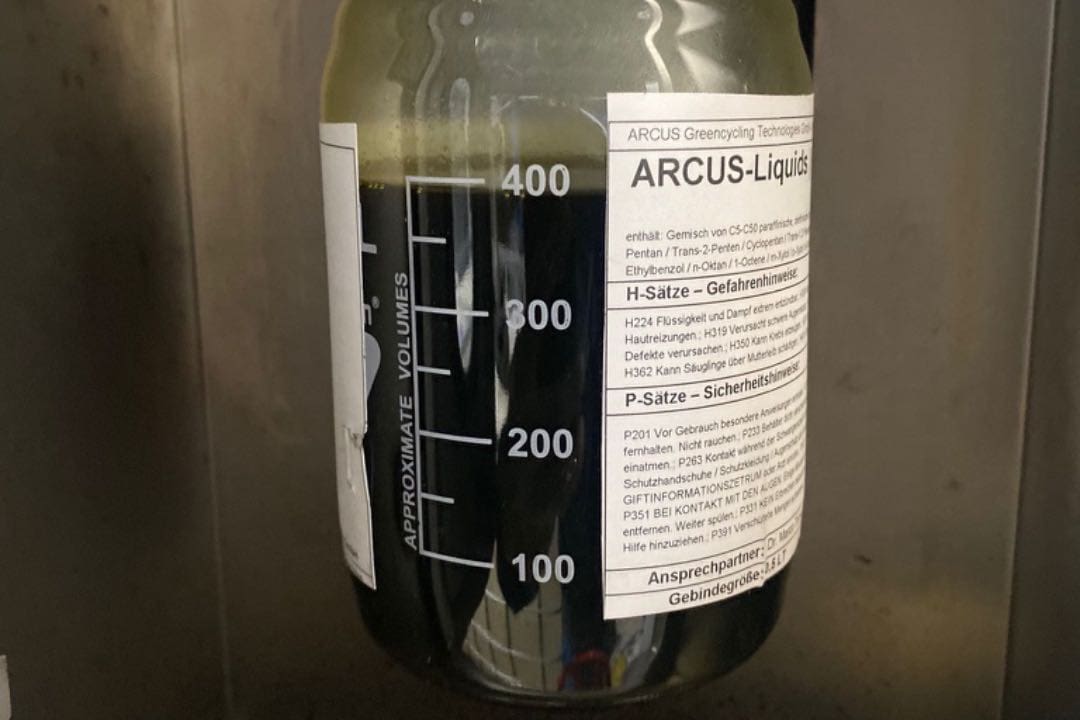
Polyvinyl chloride known as PVC or vinyl is unique among plastics: it has the longest established recycling history in Europe and today also the highest recycling rate of around 35%. Since 2000, 10.3 million tonnes of PVC waste have been recycled in the framework of VinylPlus®.
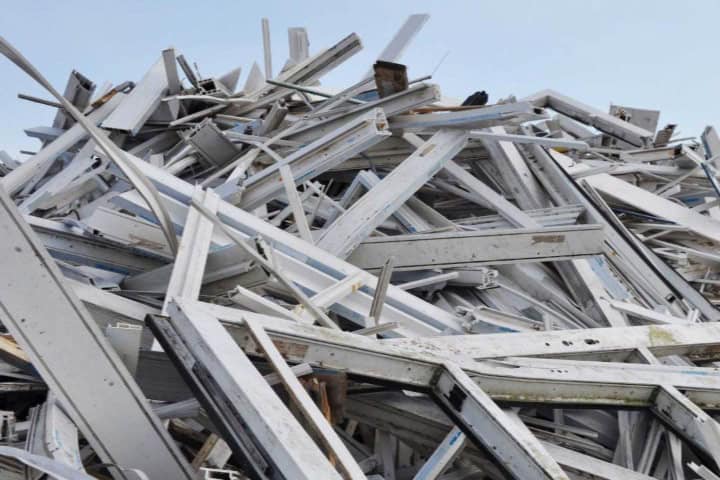
Mechanical Recycling
PVC can be mechanically recycled multiple times without significant loss of performance. This is due to its high chlorine content of around 60% that creates strong polymer chains.
Both rigid PVC (such as pipes, profiles, and window frames) and flexible PVC (such as cables, flooring, and roofing membranes) can be recovered, reprocessed, and used again in new long-life products.
This well-proven process has enabled the creation of strong recycling markets and industries across Europe, supported by the VinylPlus network.
Due to its relatively low environmental impact, mechanical recycling remains the first priority for managing plastics waste according to the European Commission’s Joint Research Centre (JRC).
Advanced Recycling
To continue progressing towards circularity, the European PVC industry is focused on developing advanced sorting, separation, and recycling technologies to address PVC waste that presents unique challenges for conventional mechanical recycling.
This includes composites, where PVC is combined with other polymers or materials, and waste containing legacy additives. These are substances that were commonly used in the past but have been substituted by the industry and are now restricted under regulations like REACH.
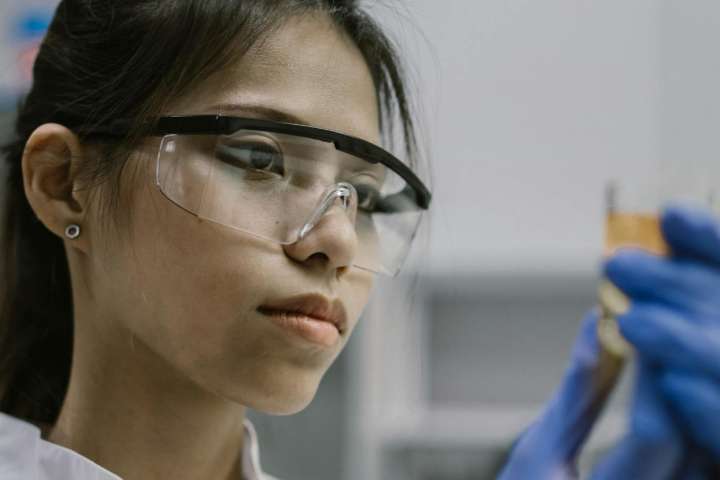
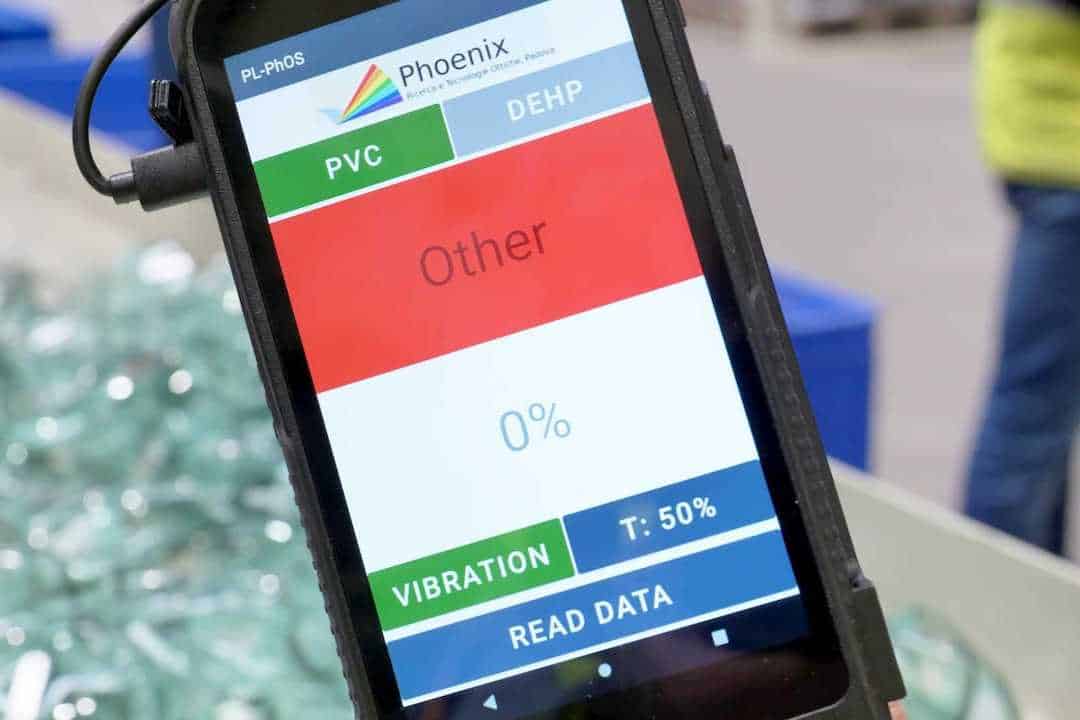
Sorting
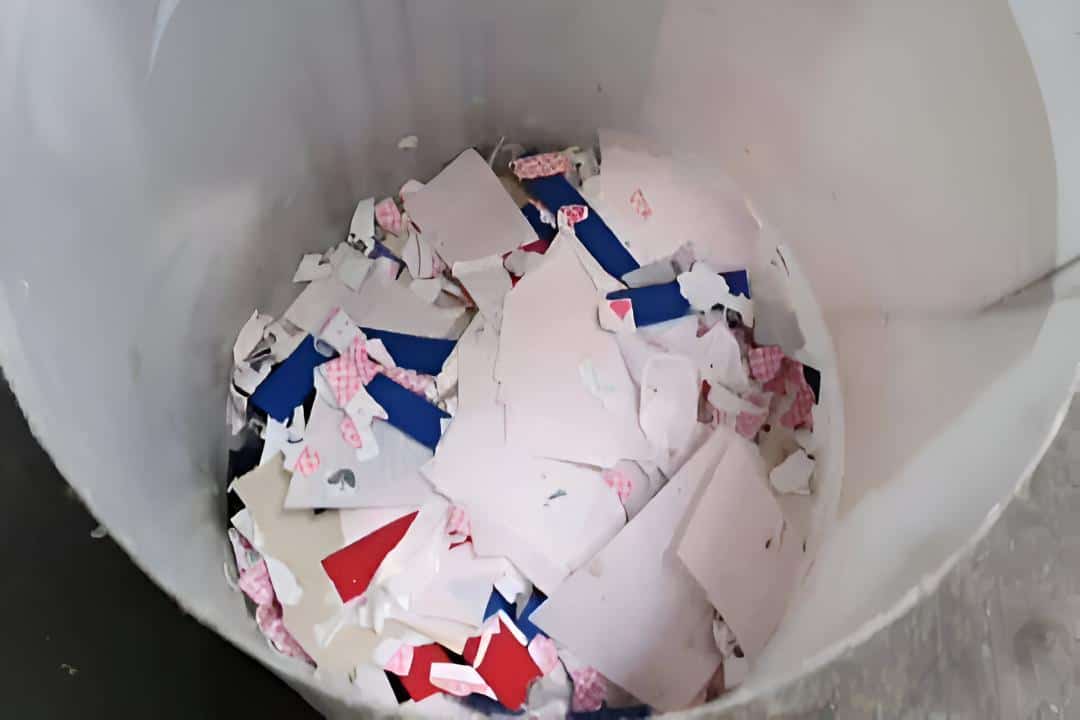
Separation
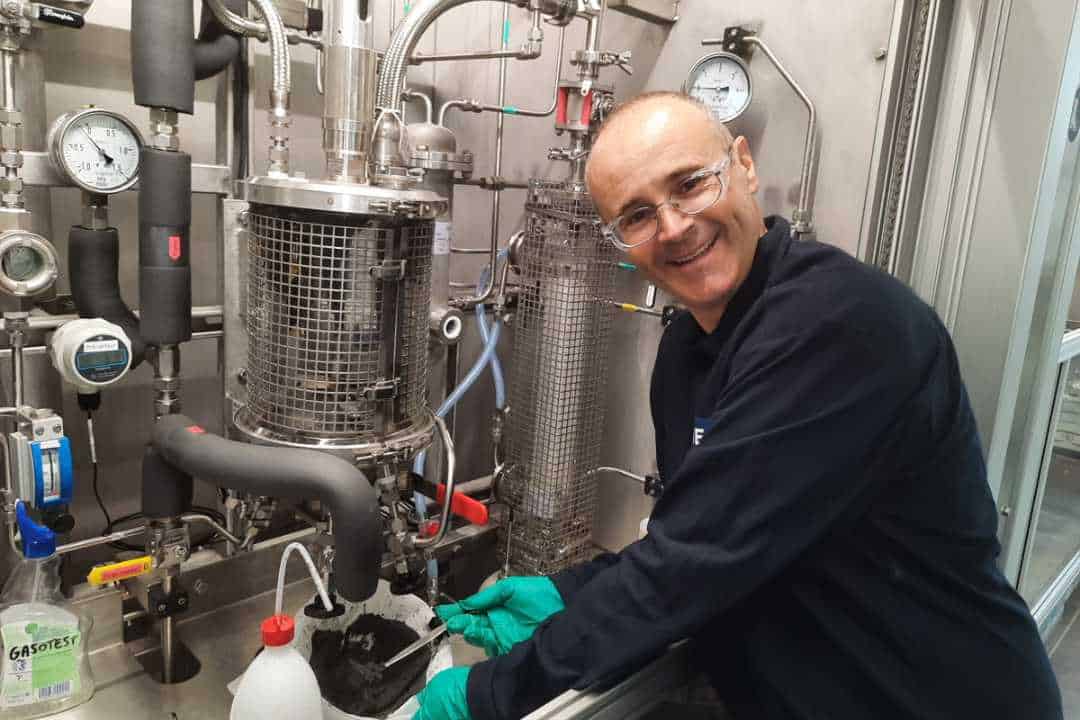
Dissolution (Physical Recycling)