
PVC: Building a Sustainable Future on Three Pillars
Polyvinyl chloride (know as PVC or vinyl) contributes to sustainability through three interconnected pillars — environmental, social, and economic — ensuring that today’s solutions also benefit future generations:
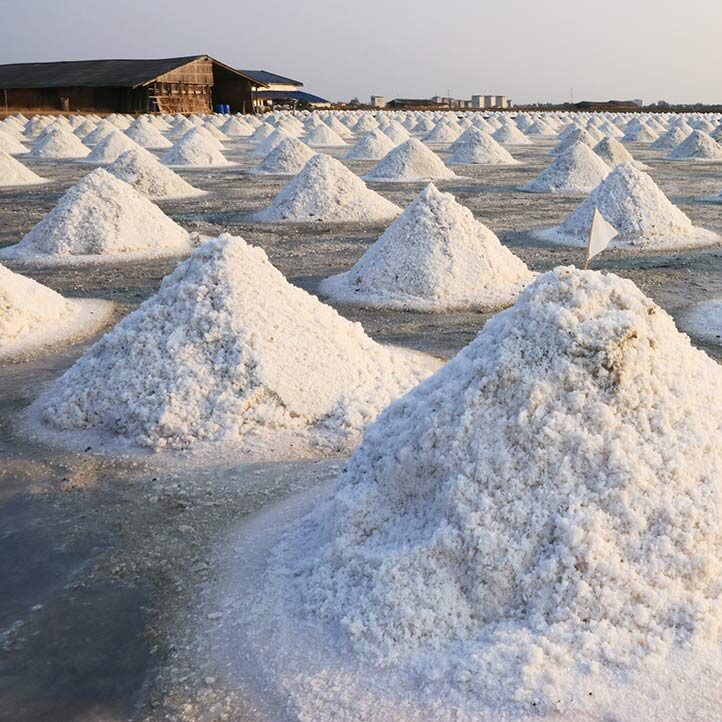
More than half of PVC’s composition (57%) comes from common salt, a renewable and abundant resource, reducing dependence on fossil feedstocks compared to other plastics. Technological progress in PVC resin and additive production continues to cut emissions and energy use.
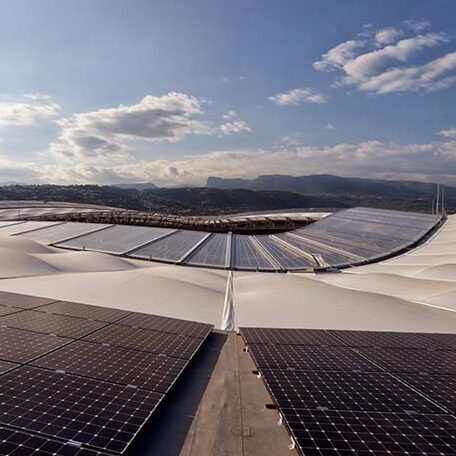
PVC products such as windows, doors, and roofing membranes improve insulation, lower energy consumption, and help reduce CO₂ emissions. The material’s long lifespan and low maintenance needs further enhance environmental efficiency. PVC also contributes to production of renewable energy such as solar power, biogas, and hydrogen.

PVC has the longest recycling track record among plastics. Through VinylPlus, over 9.5 million tonnes of PVC have been recycled since 2000 into new pipes, profiles, flooring, and cables. Ongoing innovation in sorting, separation, and advanced recycling will further expand PVC’s contribution to Europe’s circular economy.

Durable and affordable PVC pipes, windows, and flooring help deliver safe water, sanitation, and affordable housing to communities across Europe and beyond.
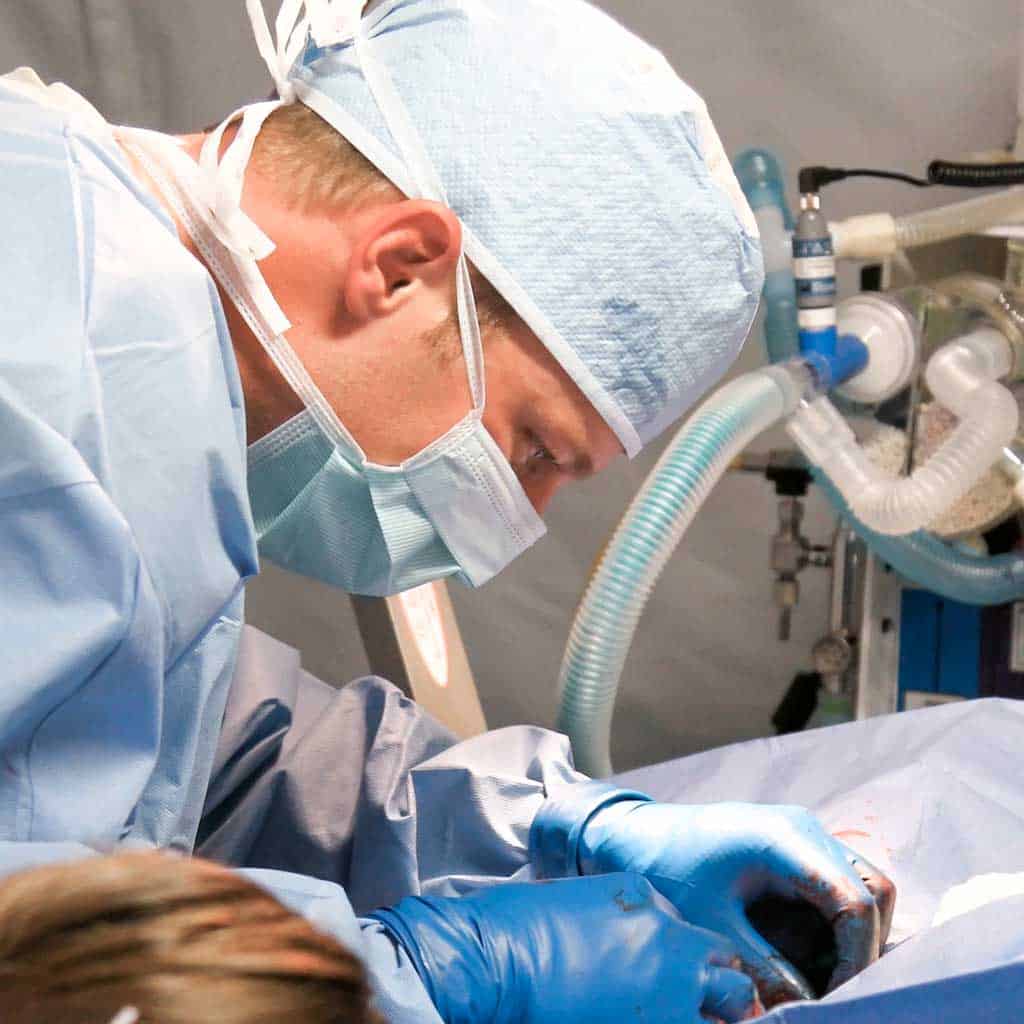
PVC is indispensable in modern healthcare — used in medical bags, tubing, flooring, and hospital infrastructure. It remains the only material capable of safely storing red blood cells for extended periods, ensuring life-saving access to blood supplies.
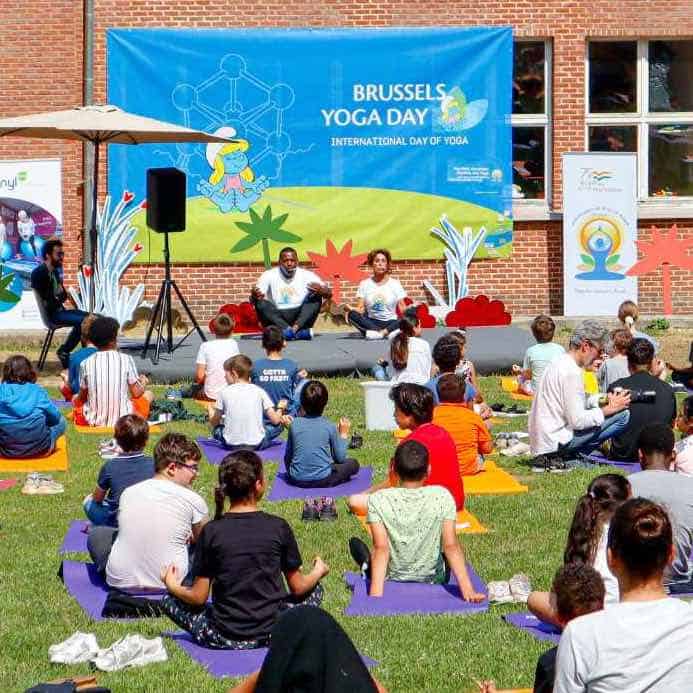
PVC’s versatility supports public spaces, sports and recreation, education, cultural events, and art — improving accessibility and enabling inclusive community facilities.

The European PVC value chain includes over 6,000 companies and provides nearly 180,000 direct jobs, contributing around €36 billion in turnover.

Continuous R&D drives advances such as non-fossil feedstocks, safer additives, improved recyclability, and applications in renewable energy and hydrogen infrastructure.
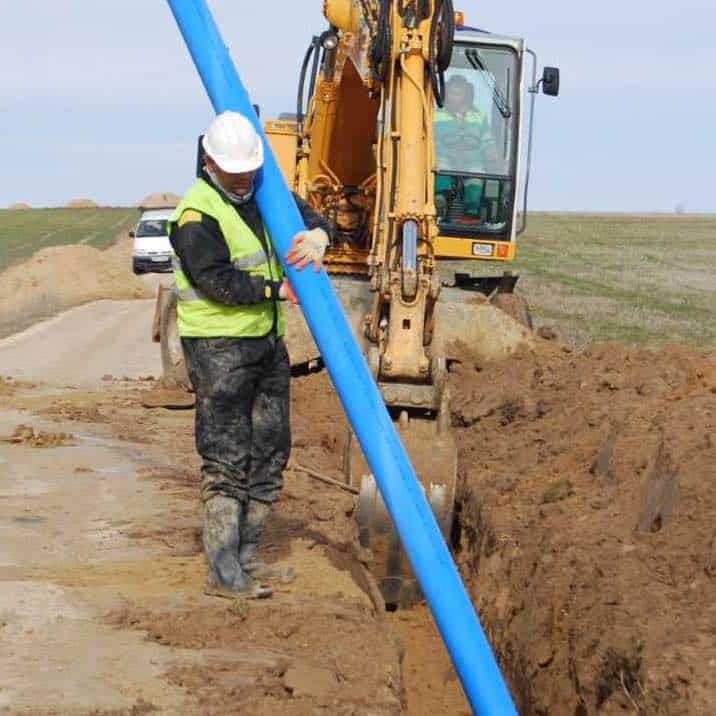
PVC is essential in infrastructure — from water and sewage systems to tunnels, bridges, and telecom cables. It also supports green energy through its use in cables, pipes, biogas systems, and wind turbines.
VinylPlus: The European PVC Industry's Commitment to Sustainable Development
VinylPlus provides the framework for sustainable progress across the PVC value chain. Its current 10-year commitment focuses on:
- Scaling up PVC value chain circularity
- Advancing towards carbon neutrality and minimising the environmental footprint
- Building global coalitions and partnering for the SDGs
Learn more about VinylPlus at vinylplus.eu.