VCM is a colourless gas that is flammable, reactive, and hazardous. Like many other intermediates in chemical production, it requires careful management. In Europe, VCM is produced and handled exclusively in closed systems, governed by strict EU legislation and reinforced by the voluntary ECVM Industry Charter.
From production to transport, the European PVC industry applies rigorous safety measures, verified through regular third-party audits. As a result, the European Chemicals Agency (ECHA) has confirmed that operational conditions and risk management in the VCM/PVC industry are adequate and effective to protect workers and the environment.

Safe production
VCM is produced from ethylene dichloride (EDC) at high temperature and pressure before being polymerised into PVC. Both ethylene dichloride (EDC) and vinyl chloride monomer (VCM) are hazardous substances, but in Europe they are manufactured only in closed systems under strict EU law.
Emissions to air and water are regulated by the Industrial Emissions Directive, while worker exposure is tightly controlled under REACH and the EU Carcinogens, Mutagens and Reprotoxic Substances (CMR) Directive.
Beyond legislation, the European Council of Vinyl Manufacturers' (ECVM) members follow a voluntary Industry Charter with emission limits stricter than regulation, verified by independent auditors such as DEKRA.
The European Chemicals Agency (ECHA) has confirmed that:
"The operational conditions and risk management measures implemented in the VCM/PVC industry are adequate and effective to control the risk for workers from EDC and VCM."
Safe transport
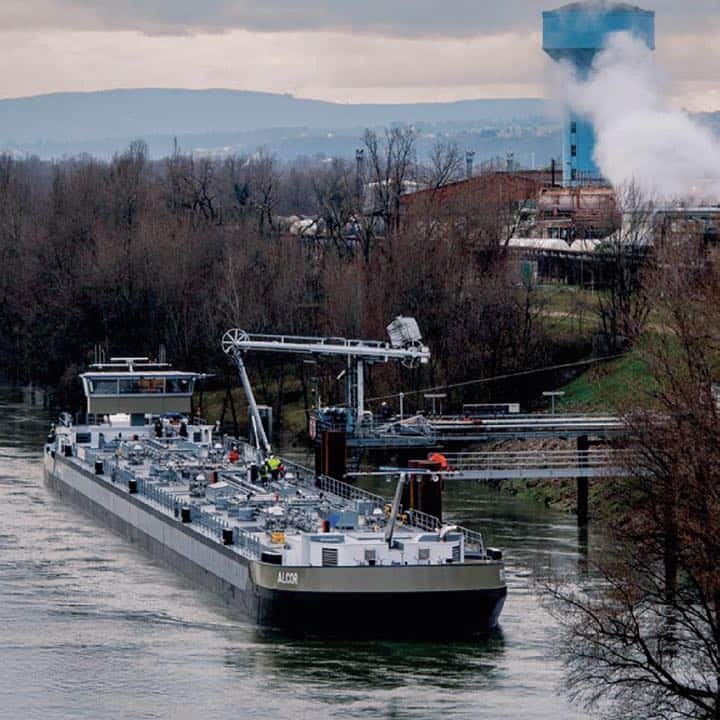
Most VCM in Europe is produced on integrated sites where PVC is manufactured at the same location, reducing the need for transport. When transport is required, it takes place under the strictest international agreements:
- RID – rail transport of dangerous goods
- ADR – road transport of dangerous goods
- ADN/ADNR – inland waterways
- IMDG/IGC Code – maritime shipping
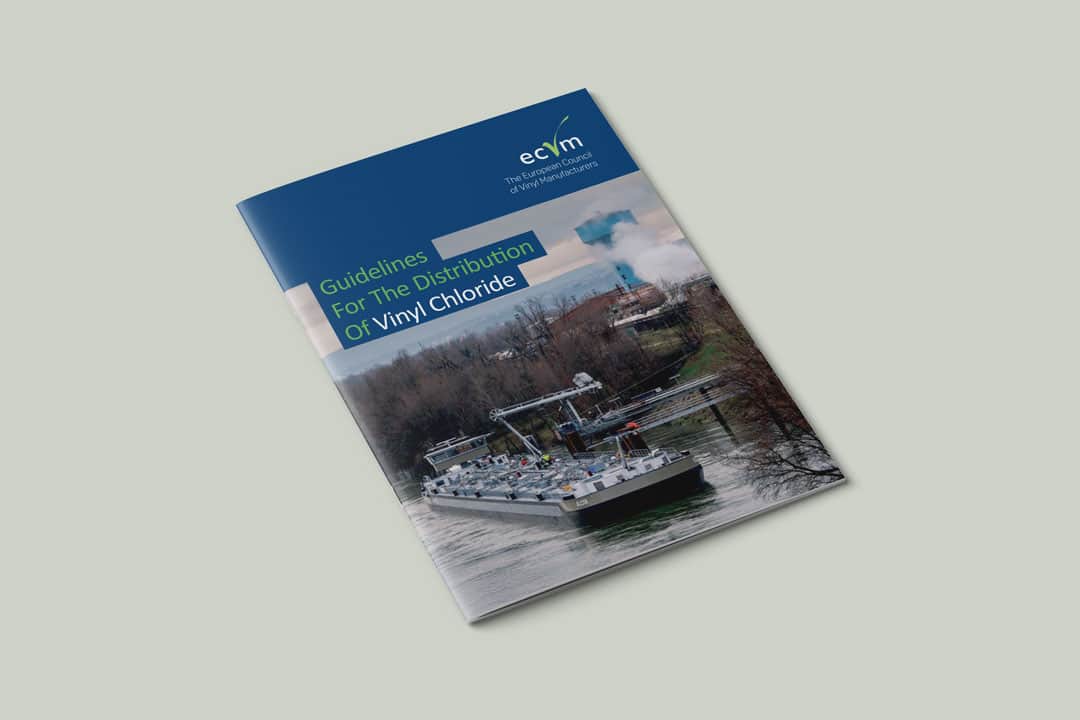
As part of its commitment to the Responsible Care® programme of Cefic, the European PVC industry prepared transport guidelines covering every stage — from loading to delivery — to ensure high and consistent standards across Europe.
Thanks to these measures, there has been no fatal accident involving VCM transport in Europe for more than 40 years
Residual monomer in PVC
During polymerisation, almost all vinyl chloride is consumed and converted into PVC. Only trace amounts of residual monomer may remain, and these are subject to some of the strictest limits in the chemical industry:
- ECVM voluntary limits (in place since 1995): Residual VCM in all PVC resin grades (S-PVC and E-PVC) must be ≤ 1 g/tonne, with daily sampling for food and medical applications and weekly sampling for general-purpose PVC.
- Medical devices: The European Pharmacopoeia requires residual VCM to be ≤ 1 part per million (ppm). In practice, modern devices typically contain less than 0.01 ppm.
- Food contact materials (FCM): Directive 78/142/EEC sets a limit of ≤ 1 milligram per kilogram (mg/kg) in all food contact articles, and requires that no vinyl chloride be detectable in foodstuffs (detection threshold: 0.01 mg/kg, or 10 ppb).
These stringent voluntary commitments and legal requirements mean that PVC used in healthcare, food contact, and construction is safe for people and the environment. The European Chemicals Agency (ECHA) has confirmed that residual levels of VCM in PVC articles are appropriately controlled in Europe.
Read more