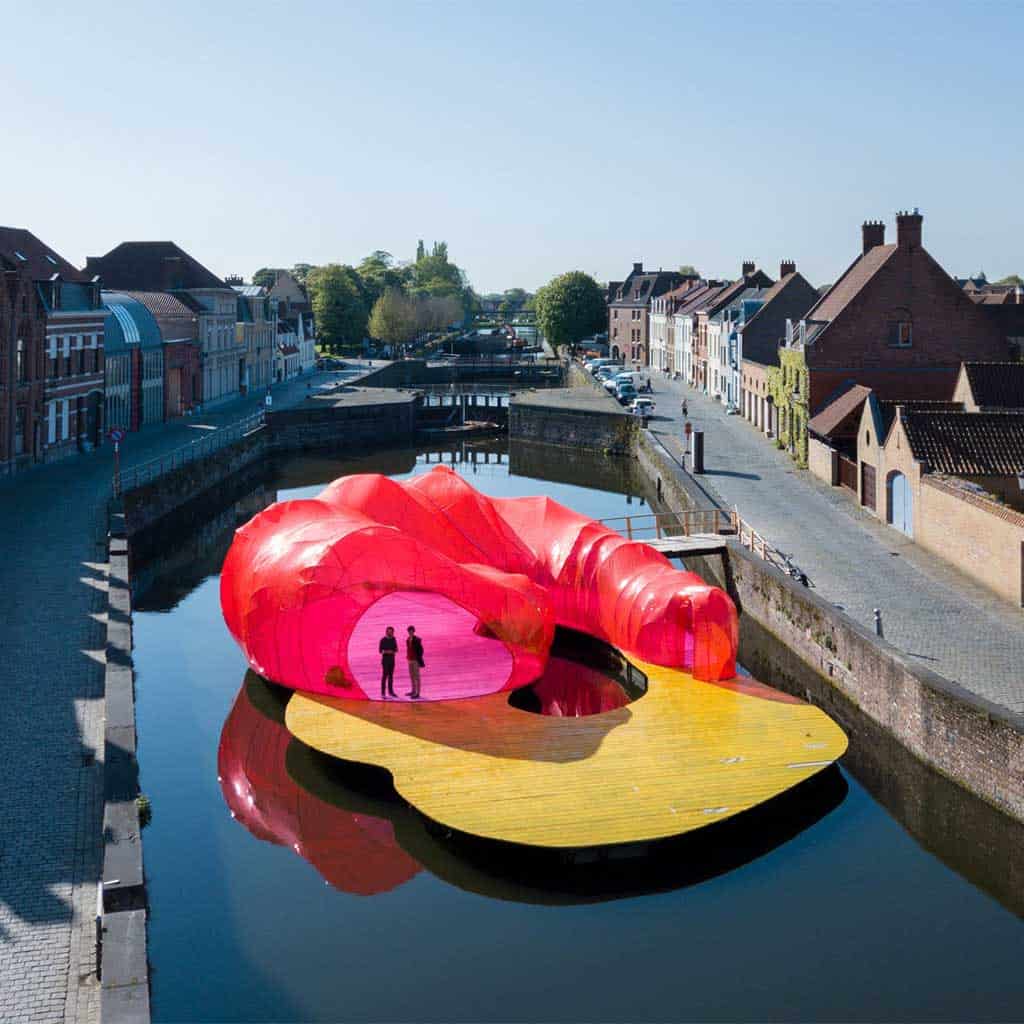
PVC's qualities of being available in many rigid and flexible forms, both durable and light weight, as well as its ability to be coloured and shaped, give designers opportunities that they would not have using any other material. Discover our newsletter WonderfulVinyl for creative PVC projects.
Open Border
More than 10% of a modern car’s components are made of plastic — and PVC is one of the most important. It is used in dashboards, seat covers, mats, trims, and handles, offering comfort, design flexibility, and durability. Under the hood, PVC hoses safely transport fuels and fluids, while PVC coatings protect against stone chips, mud, and salt.
PVC is also vital in vehicle electrical systems, where it insulates cables for power distribution, sensors, lighting, and control units. In electric and hybrid vehicles, it safeguards battery and motor wiring, ensuring reliable performance under heat and vibration.
By replacing heavier materials such as steel, PVC helps reduce vehicle weight and emissions. It also enables innovative interiors, such as vegan leather seats used in electric cars, combining style with sustainability.
Floating Pavilion
PVC plays an essential role in the expansion of Europe’s electric vehicle infrastructure. PVC cables supply power to charging units and control systems, ensuring safe and reliable operation in both public and residential installations.
The material’s excellent insulation properties, weather resistance, and long service life make it ideal for fixed electrical wiring and underground conduits that connect charging stations to the grid. Combined with its recyclability and compliance with European safety standards, PVC helps enable the rollout of efficient, durable, and safe charging networks across Europe.
Photo: Iwan Baan